In Pictures : Haw Par Mansion & The Long-lost Tiger Balm Garden
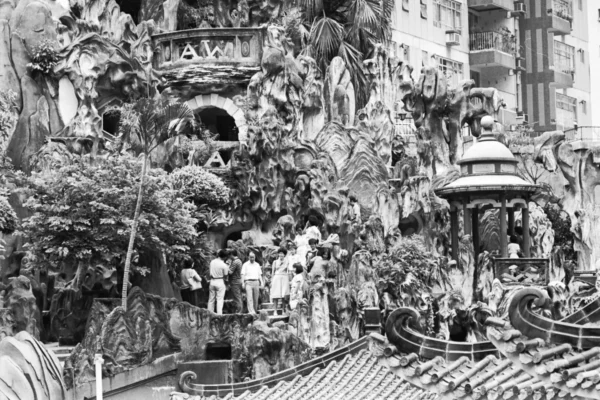
The Tiger Balm Garden was a sprawling park adjoining the eye-catching Haw Par Mansion. While the former was demolished in 2004, the latter is now being transformed into Hong Kong’s first ‘cultural villa’.
Built in the 1930s by Tiger Balm tycoon Aw Boon Haw to promote Chinese culture as well as his brand of pain-relieving ointment, Hong Kong’s Tiger Balm Garden, in Tai Hang, was a sprawling park with a white pagoda and colourful statues surrounding an eye-catching mansion. The garden was demolished for a housing development in 2004 but Haw Par Mansion was preserved, and opened in 2019 as a music academy.
It closed again three years later, but is now being transformed into Hong Kong’s first “cultural villa”. Led by the Foundation for Art and Culture, the self-financing, non-profit project will reimagine the Grade 1 historic site – rechristened Villa Haw Par – as a destination for artistic exchange, public engagement and cross-cultural dialogue.
The transformation will be unveiled in phases from September and result in research, exhibition and immersive spaces as well as a teahouse and a cinema programme celebrating Hong Kong’s cultural legacy.
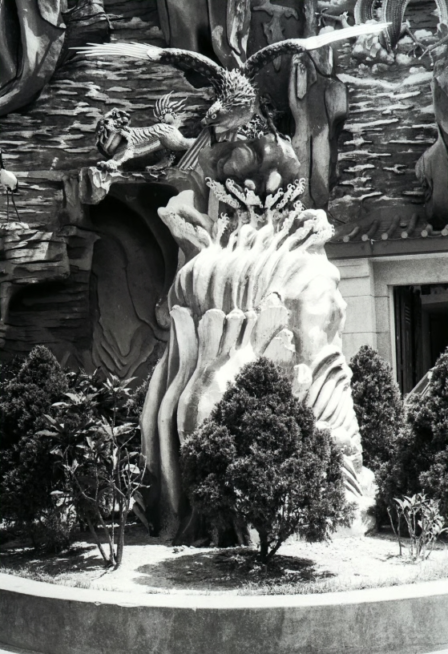
An ornate installation in the garden grounds, 1970.
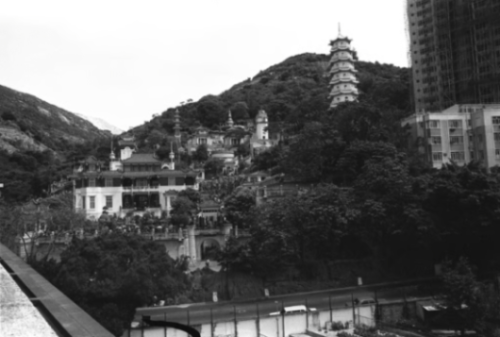
Haw Par Mansion, as seen in 1976, with the Tiger Pagoda in the background.
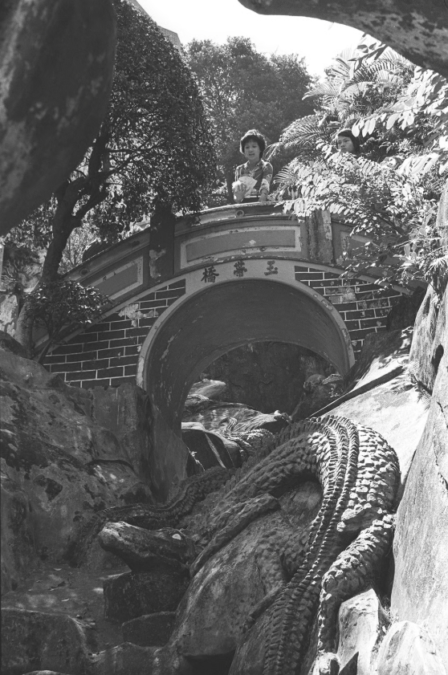
A “dragon” snakes through the garden, 1976.
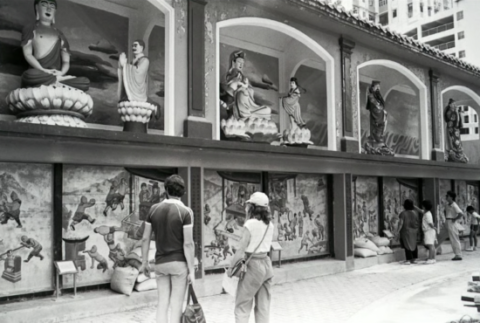
Murals and statues at the garden, in 1986.
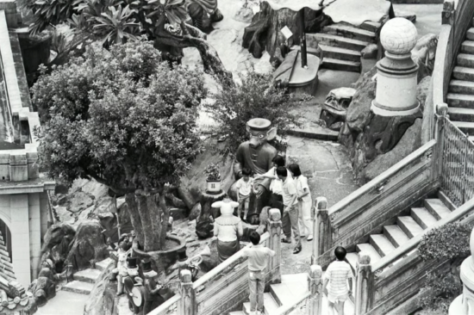
Photo opportunities aplenty, in 1986.

A fierce-looking attraction, 1987.
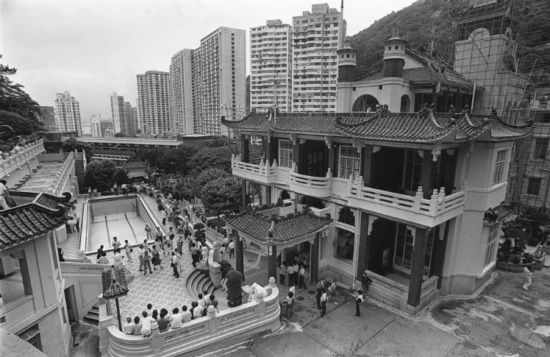
Look but don’t swim; Haw Par Mansion in 1987. While the garden was open to the public, the mansion generally was not.
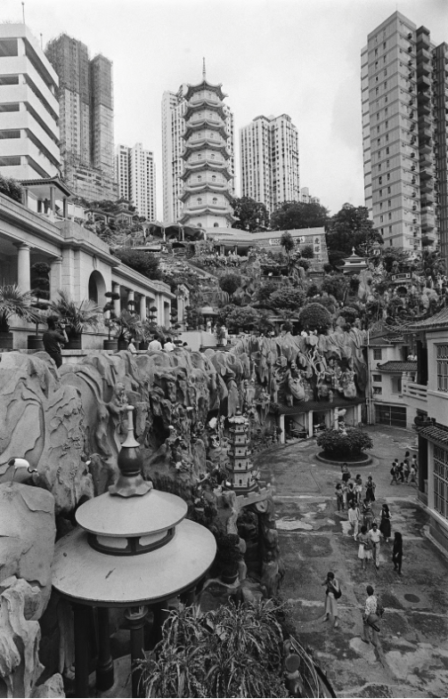
The seven-storey Tiger Pagoda towers over the gardens, in 1987. When what was also known as the White Pagoda was demolished in 2004, Hong Kong Island lost its only traditional Chinese pagoda.

Lady Jane Akers-Jones, the wife of Sir David Akers-Jones, the then chairman of the Housing Authority, celebrates the 1988 Spring Lantern Festival at Tiger Balm Garden.

A rainy day in 1998.
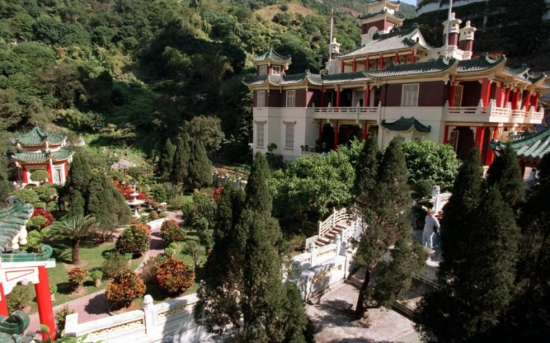
Haw Par Mansion on a finer day in 1998.
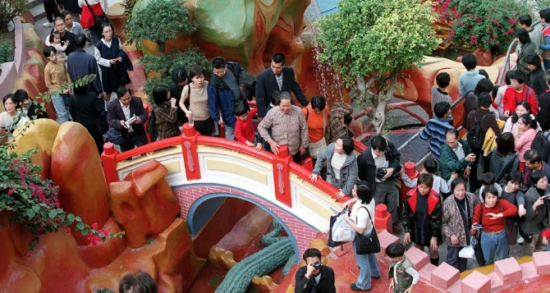
Tiger Balm Garden in 1999. For most of its existence, the garden was free to enter for the public.

Tiger Balm Garden, Haw Par Mansion and the Tiger Pagoda in 2000.
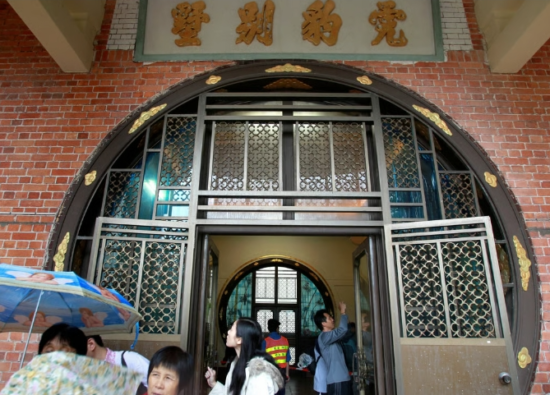
An open day at Haw Par Mansion in 2010.
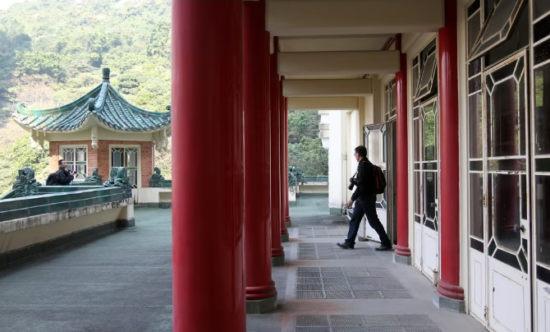
Haw Par Mansion in 2013, after the surrounding garden had been demolished.
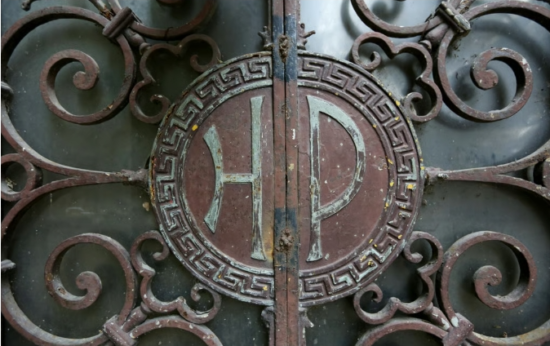
The gate to the mansion, located at 15A Tai Hang Road, in 2015.
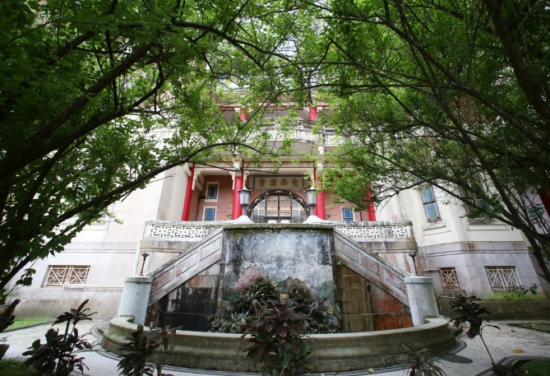
In 2015, the mansion’s grand entrance was showing its age.