Does Eating Turkey Make You Sleepy? What We Should Know
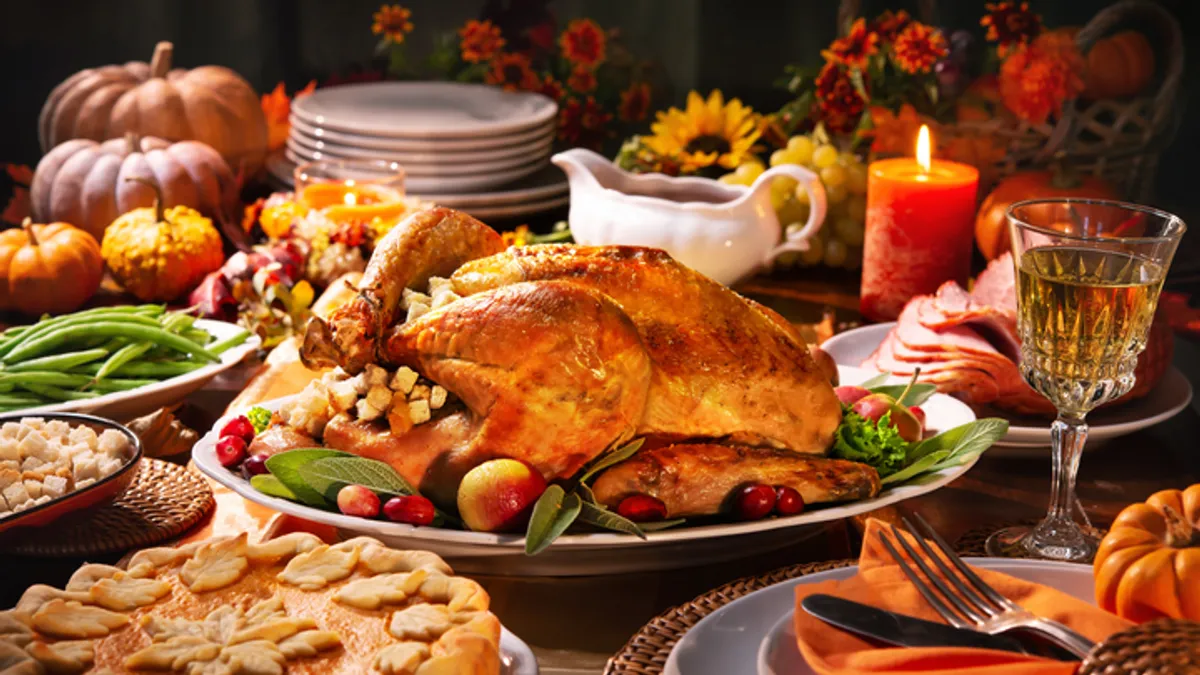
The claim that eating turkey can make people particularly sleepy has long been shared around Thanksgiving (and sometimes Christmas) dinner tables. Fans of the sitcom “Seinfeld” may recall one episode in which Jerry and George attempted to put Jerry’s girlfriend, Celia, to sleep using alcohol and turkey.
“What is that stuff in turkey that makes you sleepy?” she asked. “Tryptophan,” Jerry and George responded in unison.
In sum, Pork, tuna and other foods contain similar — if not higher — levels of tryptophan, the amino acid in turkey often blamed for post-Thanksgiving stupor.
Tryptophan — one of nine essential amino acids involved in the synthesis of protein — is found in turkey, and some studies show it does have properties that encourage sleep. Purified tryptophan supplements, for example, are on the market to treat mild insomnia.
The myth that eating turkey makes people drowsy has circulated online for years on platforms such as X and Reddit. For example, in 2023, one X user wrote:
By the way, did you know why the consumption of turkey makes you feel satisfied and sleepy? That’s because turkey contains high amounts of L-tryptophan, an amino acid that is metabolized into serotonin, a neurotransmitter associated with feelings of well-being and satisfaction. Serotonin can then be converted into melatonin, a hormone that helps regulate sleep, contributing to feelings of sleepiness.
According to one study published in the Journal of Psychiatric Research in 1982, tryptophan (in doses of 1 gram or more) in combination with little to no other food (which limits the absorption of tryptophan by the body) can produce an increase in subjective sleepiness and a decrease in sleep latency (the time it takes to fall asleep). Another 1977 study by the same author called the amino acid a “rational hypnotic with clinical potential.”
However, the claim that eating turkey makes people sleepy is wide of the mark and requires more context, as outlined below.
Although tryptophan is a precursor for several bioactive compounds — including serotonin and melatonin, which regulate sleep as well as mood and appetite — it is in competition with other amino acids for access to the brain. Simon Young, a neurochemist who worked at McGill University in Canada, told National Geographic in 2005: “Brain levels of tryptophan could even go down after a big meal because of the [amino acid] competition.” .
According to the Texas Medical Center in Houston, a pound of raw turkey contains 410 milligrams of tryptophan. Most tryptophan supplements sold are between 500 and 1,000 milligrams — and in purified form. Experts maintain that one would have to consume an exorbitant amount of turkey to feel the effects equal to those of one supplement.
Many foods, such as chicken, lamb, egg whites, cheese and pumpkin seeds also have levels of tryptophan similar to, if not higher than, turkey.
Nicolaas Deutz, an expert in nutrition and metabolism at Texas A&M University who studied the effects of tryptophan, told The New York Times in 2015: “Turkey is not special in relation to the other meats. You just eat a lot of meat, but if you would eat a steak you would feel as satisfied as with the turkey.”
To sum, there is no evidence the tryptophan content in turkey is enough to make people sleepy. For this to occur, tryptophan would have to be consumed in higher doses and in purified form (separate from other proteins), such as in a supplement.
If people do feel tired after Thanksgiving dinner, it is likely due to the heavy, carbohydrate-rich meal they consumed, alcohol, the general exertion of the day or a combined effect.